
Siding & Window Integration: Designing for Seamless Transitions
A home’s exterior is only as strong as the way its components work together. Siding and windows are often selected separately, but true curb appeal and long-term performance come from integrating siding and windows as a unified system. When siding profiles, trim details, and window placement are thoughtfully coordinated, the result is a seamless exterior design that looks polished while protecting the home from the elements. Here’s what to know when starting an exterior home remodeling project.
Why Siding and Window Integration Matters
Windows interrupt the siding plane, which means every opening becomes both a visual focal point and a potential vulnerability. Poorly planned transitions can lead to uneven lines, water intrusion, and premature wear. Well-integrated window and siding designs, on the other hand, enhance architectural balance and improve durability.
Effective window-siding design ideas should therefore focus on:
- Clean transitions between materials
- Consistent spacing and alignment
- Proper detailing that supports drainage and airflow
When these elements work together to integrate siding and windows, they support both aesthetics and performance.
How Overlaps, Reveals, and Trim Affect Performance
The way siding meets a window frame plays a major role in how well the exterior performs over time. As a result, siding overlaps, reveals, and trim details are far more than just decorative – they are critical to functionality. When integrating new siding and windows, key design elements to consider include:
- Overlaps – Siding should overlap flashing and trim correctly to shed water away from the window opening.
- Reveals – The intentional gap between siding and window trim allows for expansion and contraction while creating clean visual lines.
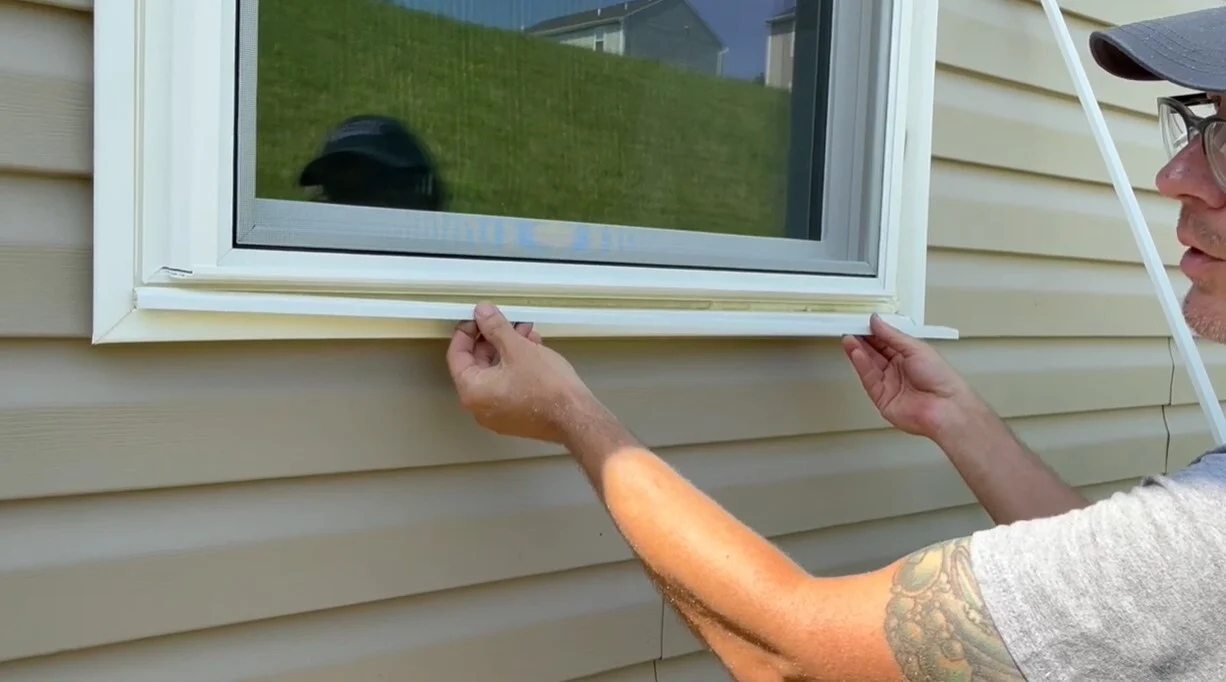
- Siding trim around windows – Trim frames the window, protects edges, and creates a finished appearance that ties the window into the siding system.
When executed properly, these details support airflow, prevent moisture buildup, and contribute to improved waterproofing. This helps the siding and window integration stand stronger to Western Washington’s changing weather conditions.
Coordinating Colors, Textures, and Architectural Lines
Visual harmony is essential for a modern home exterior design. Coordinating siding and window elements ensures the home feels cohesive rather than fragmented. It’s why siding and window color coordination often includes:
- Matching or complementing window frame colors with siding tones
- Using trim to create contrast without overpowering the façade
- Aligning horizontal or vertical siding lines with window placement
Texture also plays an important role. Smooth siding paired with sleek window frames can emphasize contemporary architecture, while textured siding and detailed trim may better suit traditional designs. The goal is balance and allowing windows to stand out while still feeling connected to the siding replacement, whether vinyl, fiber cement, or engineered wood.
Designing Clean Transitions for Seamless Exteriors
A seamless exterior design depends on consistency. Inconsistent trim widths, misaligned siding courses, or awkward window placement can disrupt the flow of the façade. Rather, a thoughtful siding and window integration focuses on:
- Consistent trim dimensions around all windows
- Siding courses that align evenly across elevations
- Window placement that respects architectural symmetry
These details may seem small, but collectively they define how refined and intentional the exterior appears.
Preventing Water Intrusion at Siding and Window Junctions
One of the most critical aspects of integrating siding and windows is managing water. Improper detailing at window openings is a common cause of leaks and hidden damage.
Best practices for window flashing and siding installation include:
- Properly layered flashing that directs water outward
- Integration of house wrap and moisture barriers
- Sealed transitions that allow drainage without trapping moisture
When a siding and window integration is handled properly, it does more than simply block water but manages it effectively. Siding, flashing, and trim all work together as a system to help prevent long-term structural issues and extend the life of both materials.
Balancing Design and Performance When Integrating Siding and Windows
Great exterior design doesn’t force homeowners to choose between looks and durability. By integrating siding and windows correctly, it’s possible to achieve both. Clean lines, coordinated materials, and properly executed details all contribute to an exterior that performs as well as it looks. It’s why when renovating windows and siding, integration should always be part of the planning process, not an afterthought.
Create a Seamless Exterior With Expert Guidance From Green City
Designing smooth transitions between siding and windows requires experience, precision, and a deep understanding of exterior systems. When done right, it enhances curb appeal, improves protection, and adds long-term value to your home.
To learn more about integrating siding and windows or to explore options for your home, contact Green City Window Door & Siding today for a free quote. Our team is ready to help you create a seamless, high-performing exterior built to last.